



Neck Lift Surgery in
China

"What Is Platysma Neck Lift and Middle Neck Plication?"
As the aging process progresses, neck skin can sag, and fat tissues may accumulate, creating a double chin. The VIP Platysma Neck lift addresses this by removing excess skin and fat near the jawline and neck. For significant sagging of the neck and chin, the procedure involves peeling the SMAS layer on the face, extending to the jawline and the bottom of the ears. The SMAS layer neck lift requires a high level of expertise; if done incorrectly, it may result in unnatural looks or scarring. Additionally, Middle Neck Plication can be performed for patients with a "turkey neck." This surgical procedure improves the appearance of the neck by tightening the platysma muscle and removing excess skin, effectively addressing sagging or drooping in the neck area.
Doctor's Message
Depending on the severity of your neck aging, there are various treatments available. As the aging process advances, both the face and neck skin sag. It is important to care for your neck skin along with your face. Fine wrinkles or minor loose skin can be treated with Non-Surgical Neck Wrinkle Removal and lifting options such as fillers, VIP Cocktail Injections, and laser treatments. If you are concerned about significant neck skin laxity, the Platysma Neck Lift is the best solution for you. The Platysma Neck Lift, combined with Smart Lipolysis Laser, is a popular choice to simultaneously remove excess fat and tighten the jawline area.
Operation Information
- Surgery Time : 1-2 Hours
- Anesthesia Type : General anesthesia (TIVA)
- Hospitalization : 0 Day
- Stitch Removal : 4-7 Days
- Recovery Time : 1-2 Weeks
What Essentially Causes the Sagging Skin?
The SMAS layer is a thin layer located between the subcutaneous fat tissues and the muscle tissues, closely attached to the dermis layer. This SMAS layer is sensitively affected by gravity, which is a primary cause of sagging skin. Therefore, for a fundamental and definitive result, it is important to lift both the dermis layer and the SMAS layer together to prevent secondary sagging.
Neck Lift Surgery Method
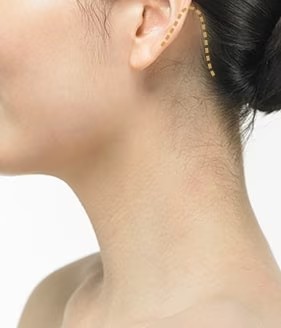
Make a small incision near the back of the lower part of the ears.
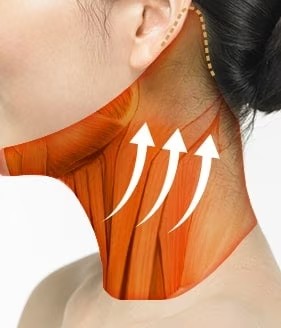
From the incision line, delaminate the SMAS layer under the subcutaneous tissues and pull it upwards.
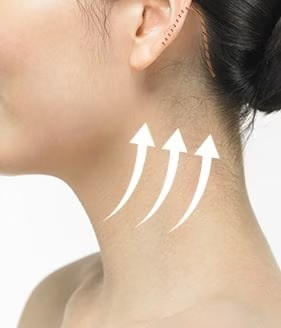
Consider the severity and complexity of wrinkles and skin laxity; pull the superficial skin layer upwards. Precisely and thoroughly suture to prevent potential scarring.
Neck Lift Before & After
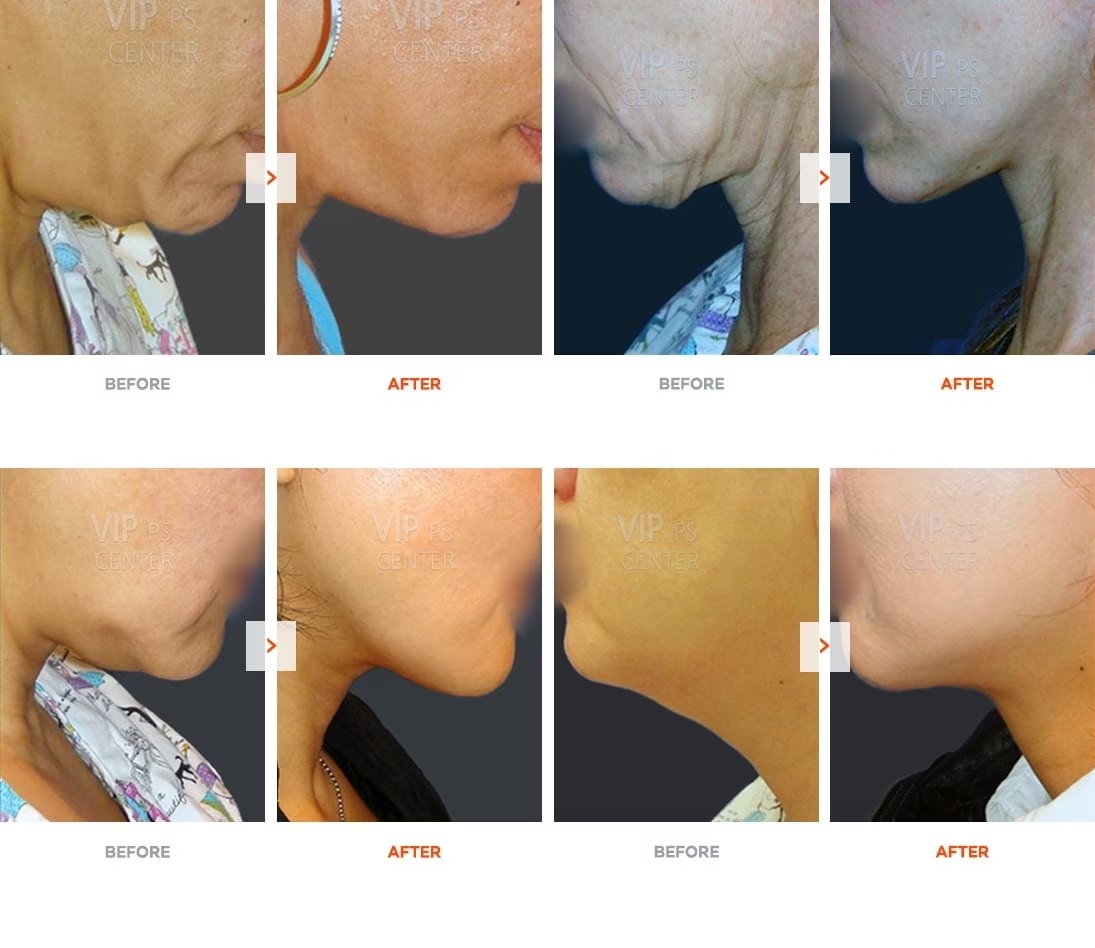
* Side effects such as inflammation after the surgery may vary for each individual and may require appropriate treatments. Please check the specific guidelines with the doctor.
Ideal Candidates for Neck Lift
- People who want a long-lasting lifting effect with minimum scarring.
- People who have severe neck wrinkles and sagging neck skin.
- People who want to improve the neckline into a more definite shape.
- People who were not satisfied with the thread lift or laser for the neck wrinkles and double chin.
Neck lift Surgery Point
- The Neck lift result is more effective when performed with Middle Neck Plication and Facelift surgeries together. (Extended Deep Plane Facelift)
- The Neck lift dramatically improves the skin laxity and deep wrinkles.
- This surgery is semi-permanent, which does not require a secondary surgery if the skin is maintained well enough. Once the SMAS layer is pulled to the original position, the result lasts immensely compared to any other anti-aging surgeries.
- The Neck lift is performed with a minimum incision in the back of the ears and therefore, the scarring is almost invisible. After 6 months to one year of the surgery, the scarring shows less redness and becomes nearly invisible.
- The doctor pulls the neck skin and SMAS layer consistently, giving a natural and smooth texture.