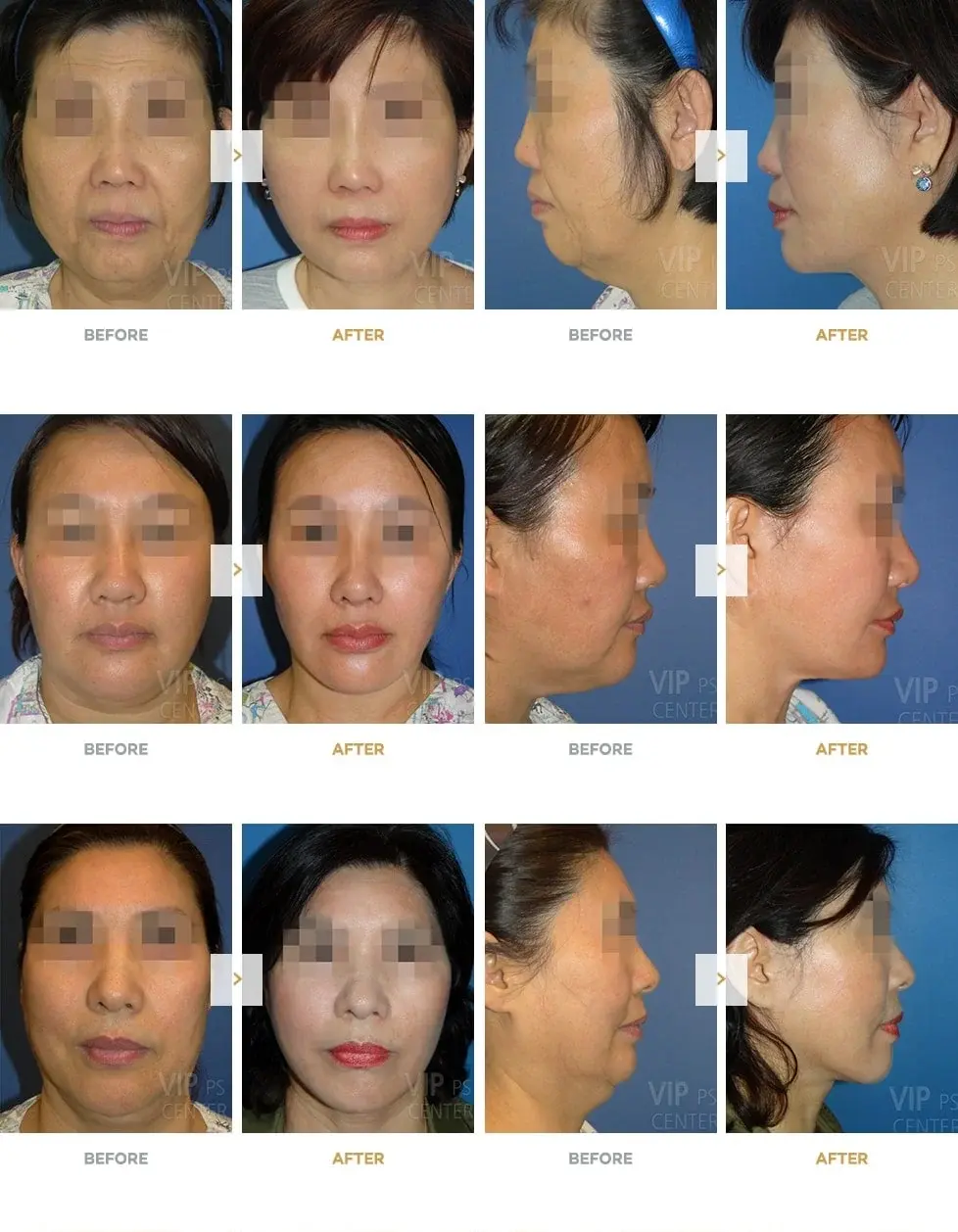


Turn Back Time with Precision: The Art of Extended Deep Plane Facelift
At VIP Plastic Surgery, when patients share their experiences after facial rejuvenation, they don't just talk about looking younger. It's more than just vanity. They speak of inner confidence, new business opportunities, deeper connections in their relationships, and a rekindled joy in social situations they once avoided. It's about walking into a room with your head held high, knowing that your outer appearance finally matches the youthful energy you feel inside.
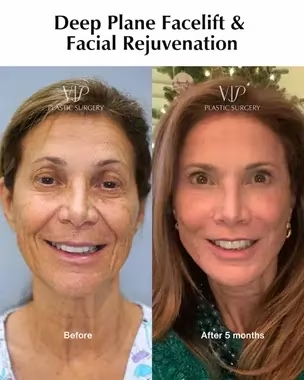
An expertly performed facelift does more than tighten skin—it artfully restores the graceful contours of your youth. Picture an elegantly defined jawline that frames your face beautifully, smooth transitions from cheek to chin, and a natural, refreshed appearance that has friends asking about your "beauty secret" rather than your surgeon. This isn't about changing who you are; it's about revealing the you that time has hidden, as if you've discovered a photograph of yourself from 15 years ago and stepped into it.
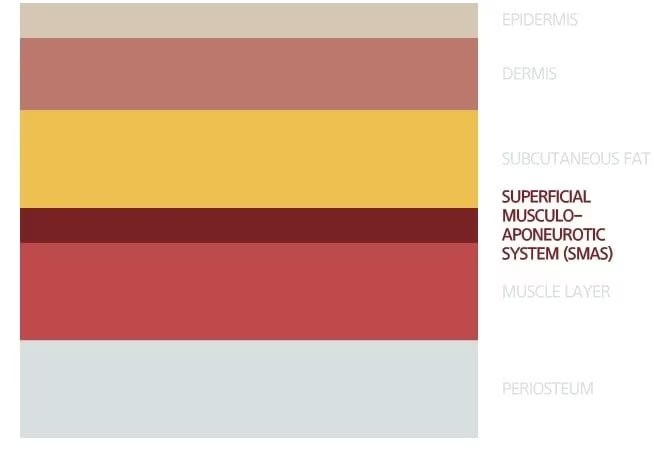
How Your Face Ages: More Than Just Skin Deep
Facial aging is a multifactorial process involving changes in skin, bones, and soft tissue:
- Downward shifting of the subcutaneous fat layer beneath the skin
- Loosening of the SMAS (Superficial Musculoaponeurotic System) layer
- Loss of facial volume and structure
- Hollowing of the submalar area
Dr. Lee's Invisible Ear Incision Line
When the skin and SMAS layers separate due to inadequate dissection or insufficient fixation, prominent scars may develop along incision lines near the ear. Therefore, proper surgical technique requires securing incisions to the underlying tissue layers to promote optimal healing and minimize visible scarring.
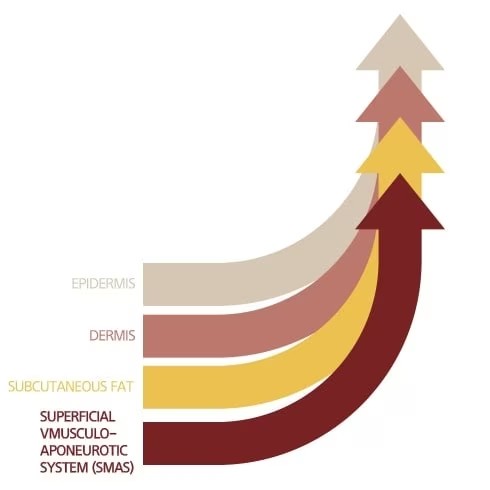
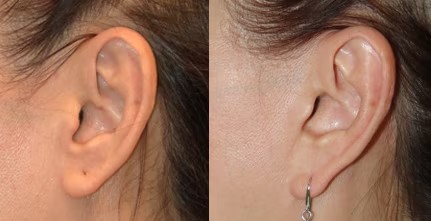
The Key to Natural-Looking Facelift Results
At VIP Plastic Surgery, surgeons place a strong emphasis on the following criteria for successful facial rejuvenation.
- Lifting and repositioning the SMAS layer for long-lasting support
- Creating balanced tension across all tissue layers
- Securing incisions to deeper dermal layers to minimize facelift scars
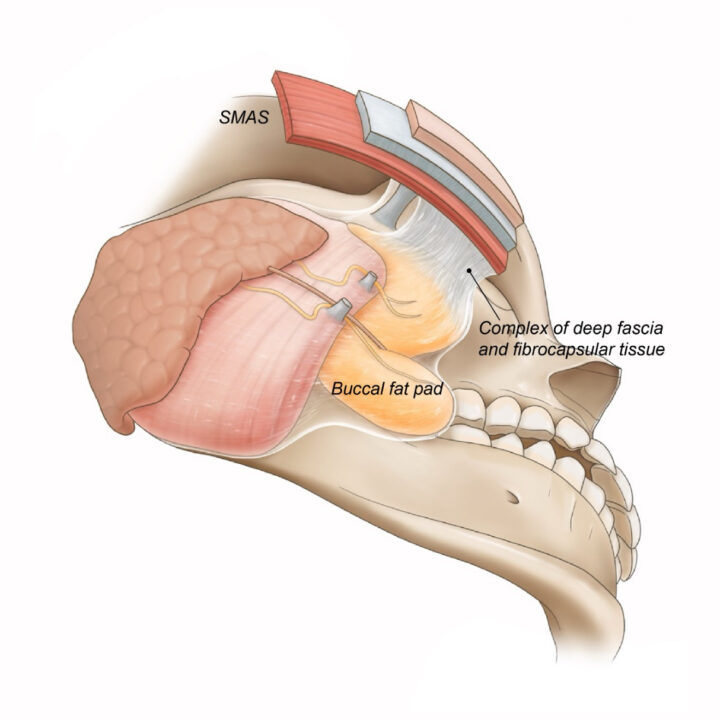
- Lifting deep buccal fat pads to the appropriate position
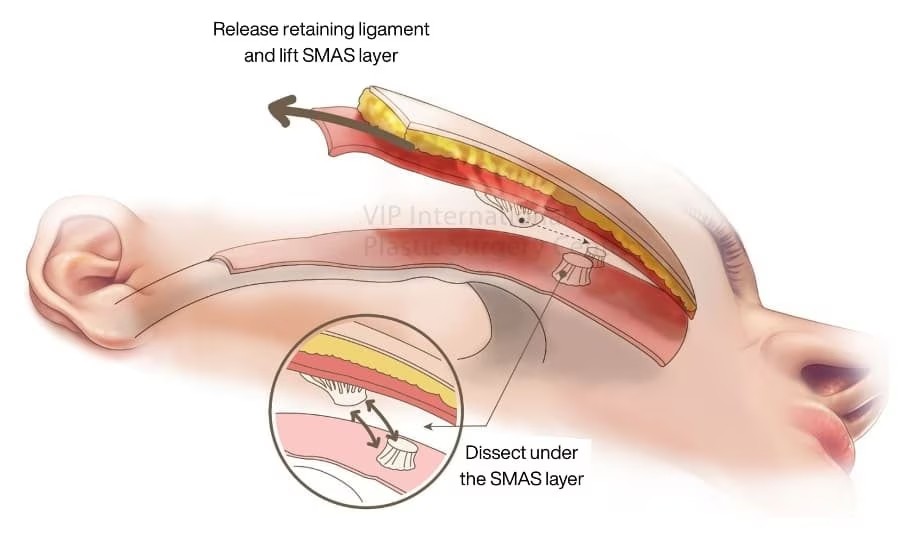
VIP Plastic Surgery China's Premier Approach
Deep Plane Facelift Specialist Dr. Myung Ju Lee's 25 Years of Expertise
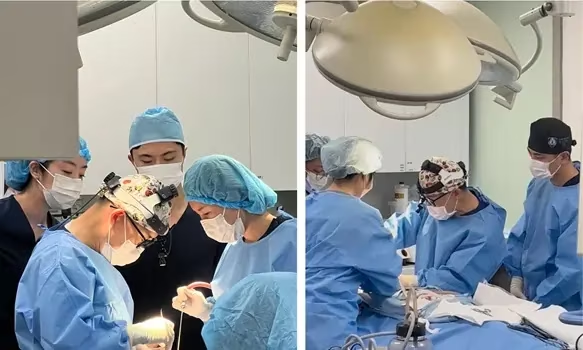
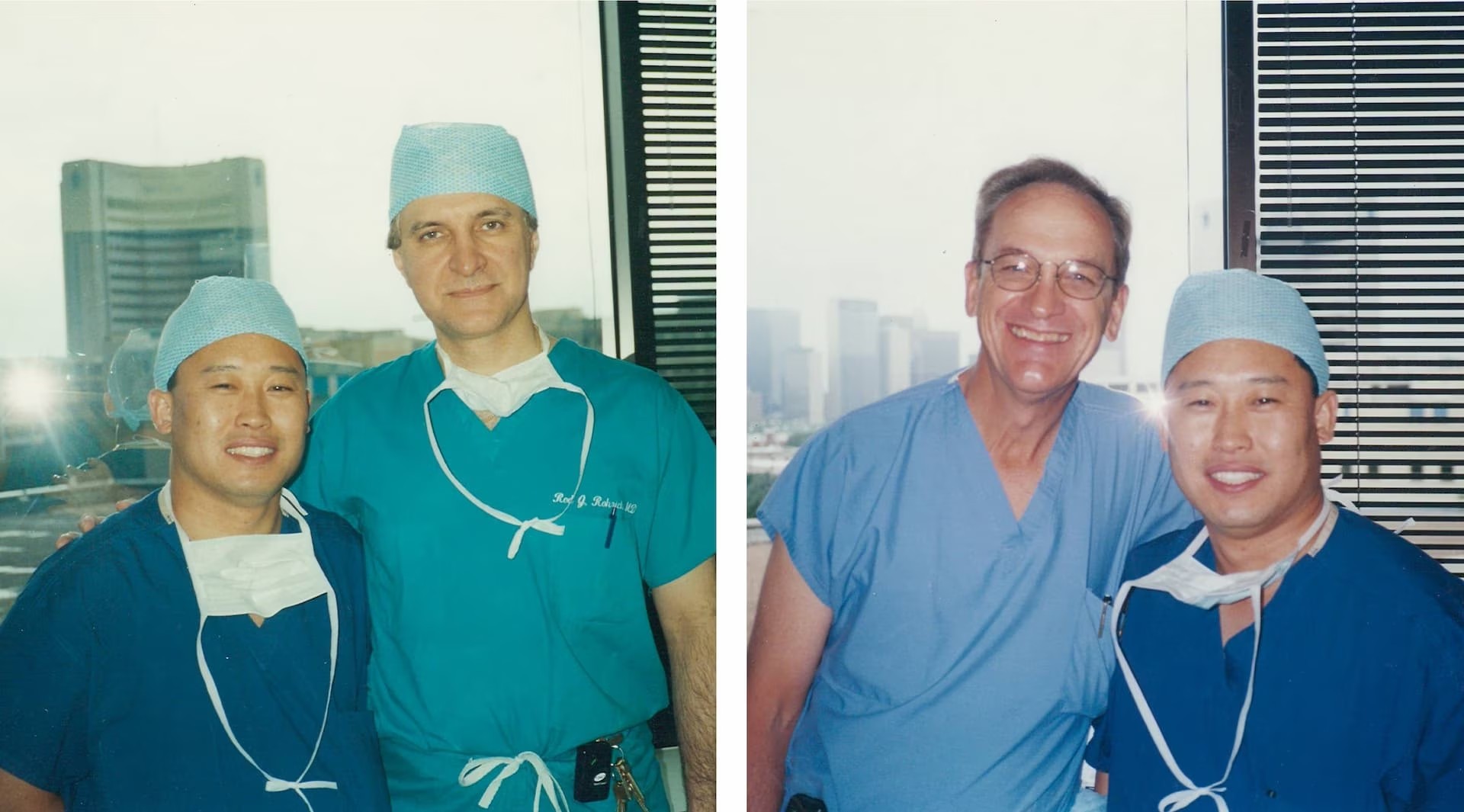
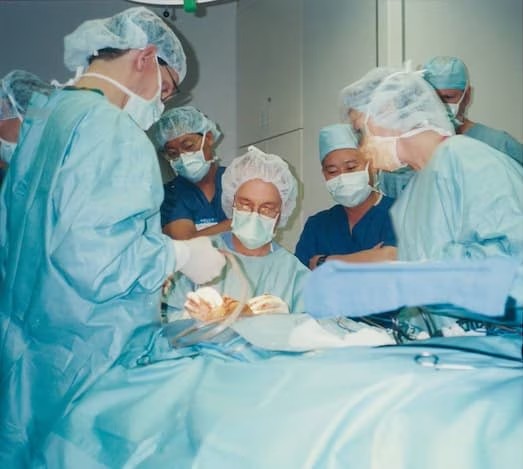
At UT Southwestern Medical Center
With Dr. Rod Rohrich (Master of facelift and rhinoplasty, former editor-in-chief of the journal PRS) and Dr. Guyuron (master surgeon of facelift)
Passion is the driving force for Dr. Lee, continuously elevating his craftsmanship in plastic surgery. For Dr. Lee, this journey of perpetual learning began with transformative training under world-renowned facial rejuvenation experts (facelift and rhinoplasty experts) at UT Southwestern Medical School—an experience that fundamentally shaped his approach to surgery.
Even until now, his hunger for knowledge has never diminished. Dr. Lee understands that in the rapidly evolving field of plastic surgery, yesterday's techniques may not deliver tomorrow's best results. Each year, Dr. Lee makes it a priority to visit and learn from renowned plastic surgeons around the world, such as in the United States, Turkey, and Europe, bringing new perspectives back to his practice.
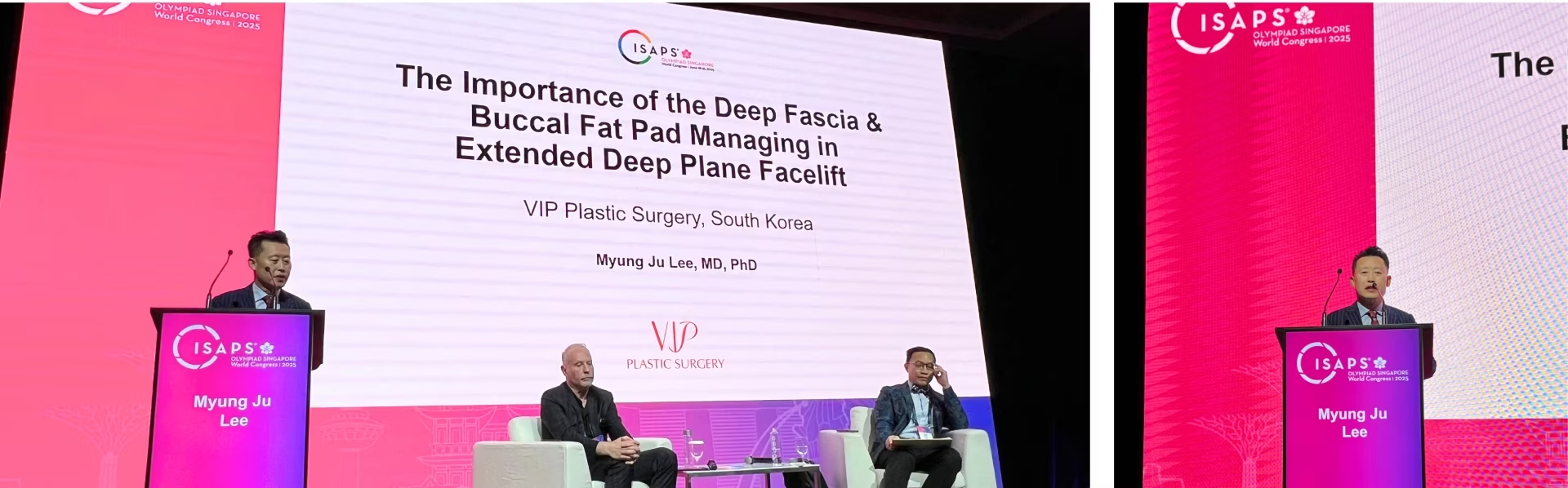
Always Learning
Excellence Through Eternal Learning: A lifetime dedicated to perfection
Why the Extended Deep Plane Facelift Leads Modern Facial Rejuvenation
- Enhanced Safety through precise anatomical dissection
- Natural-Looking Results that preserve facial expressions
- Long-lasting rejuvenation that lasts 10-15 years
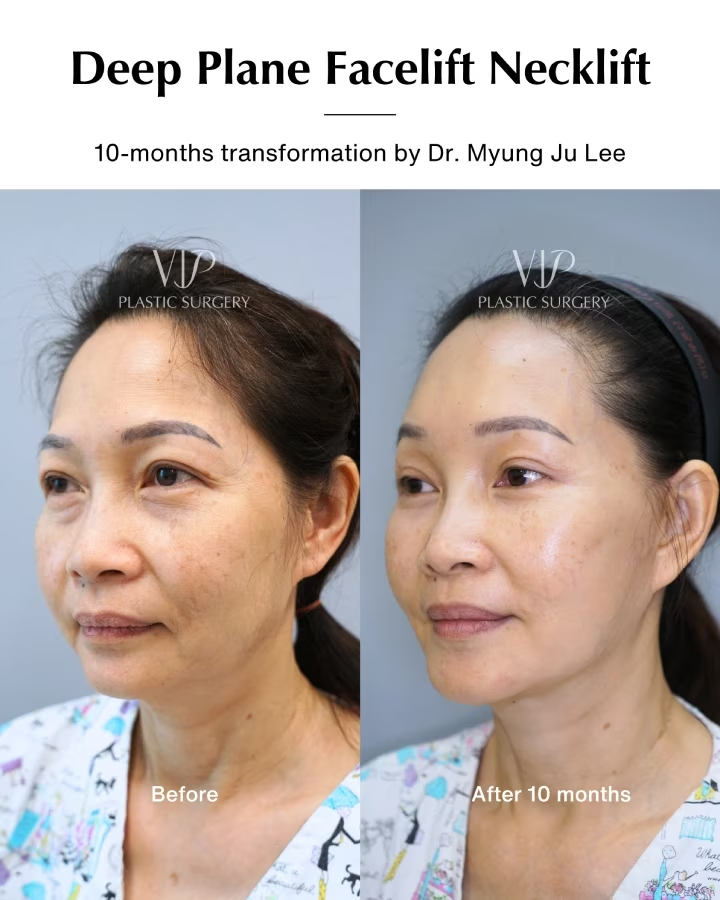
Beyond One-Size-Fits-All: Why Asian Faces Need a Customized Approach
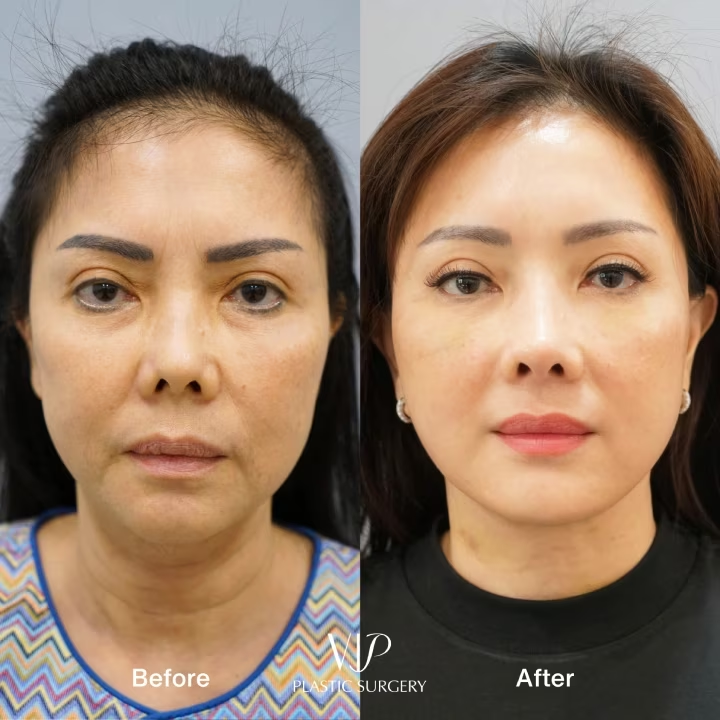

Distinctive Asian Facial Characteristics That Affect Facelift Results
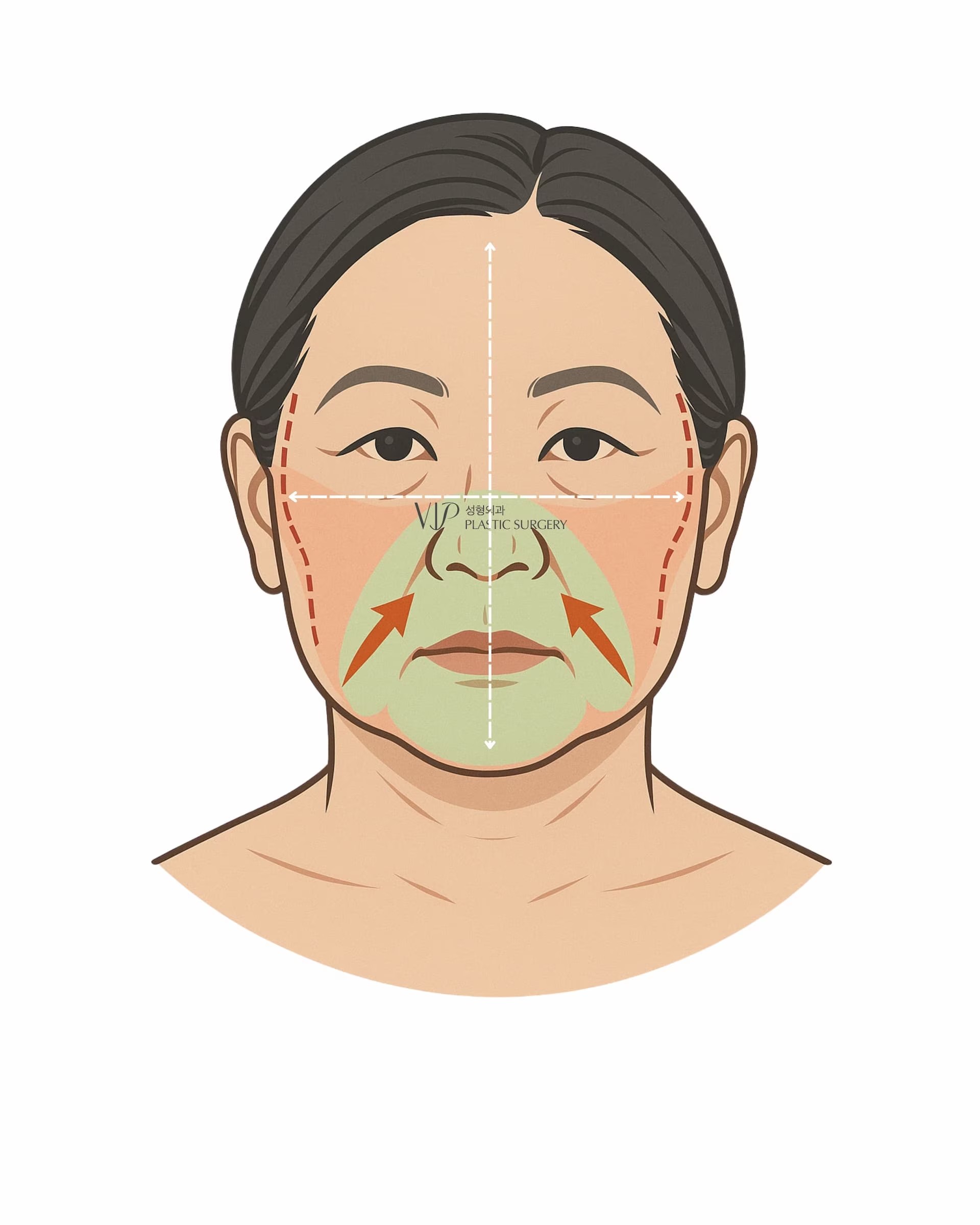
Asian faces possess unique anatomical features that must be carefully considered during facial rejuvenation:
- Wider cheekbone distance requires specialized lifting vectors
- Flatter facial profile with central face retrusion needing volume consideration
- Thicker skin texture with increased fibrous tissue adhesion, demanding a precise technique
- Rounder, heavier facial structure requiring comprehensive contouring
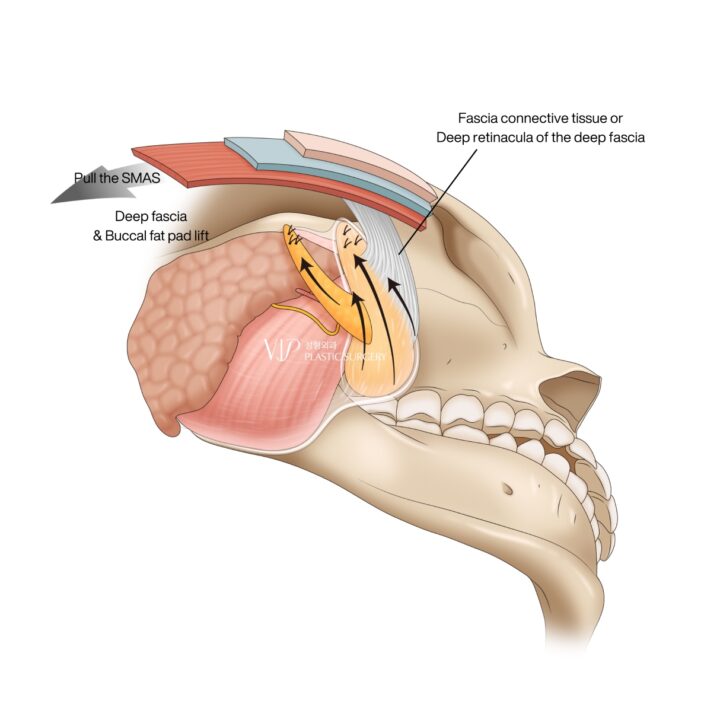
For patients with these distinctive features, Dr. Lee may incorporate specialized procedures during the extended deep plane facelift to achieve optimal results:
- Superficial jowl line liposuction for refined lower face contouring
- Buccal fat removal to enhance facial definition
- Buccal fat pad lift - a key procedure for creating smooth, elegant jawline transitions
Male Facelift: Tailored Facial Rejuvenation for Men
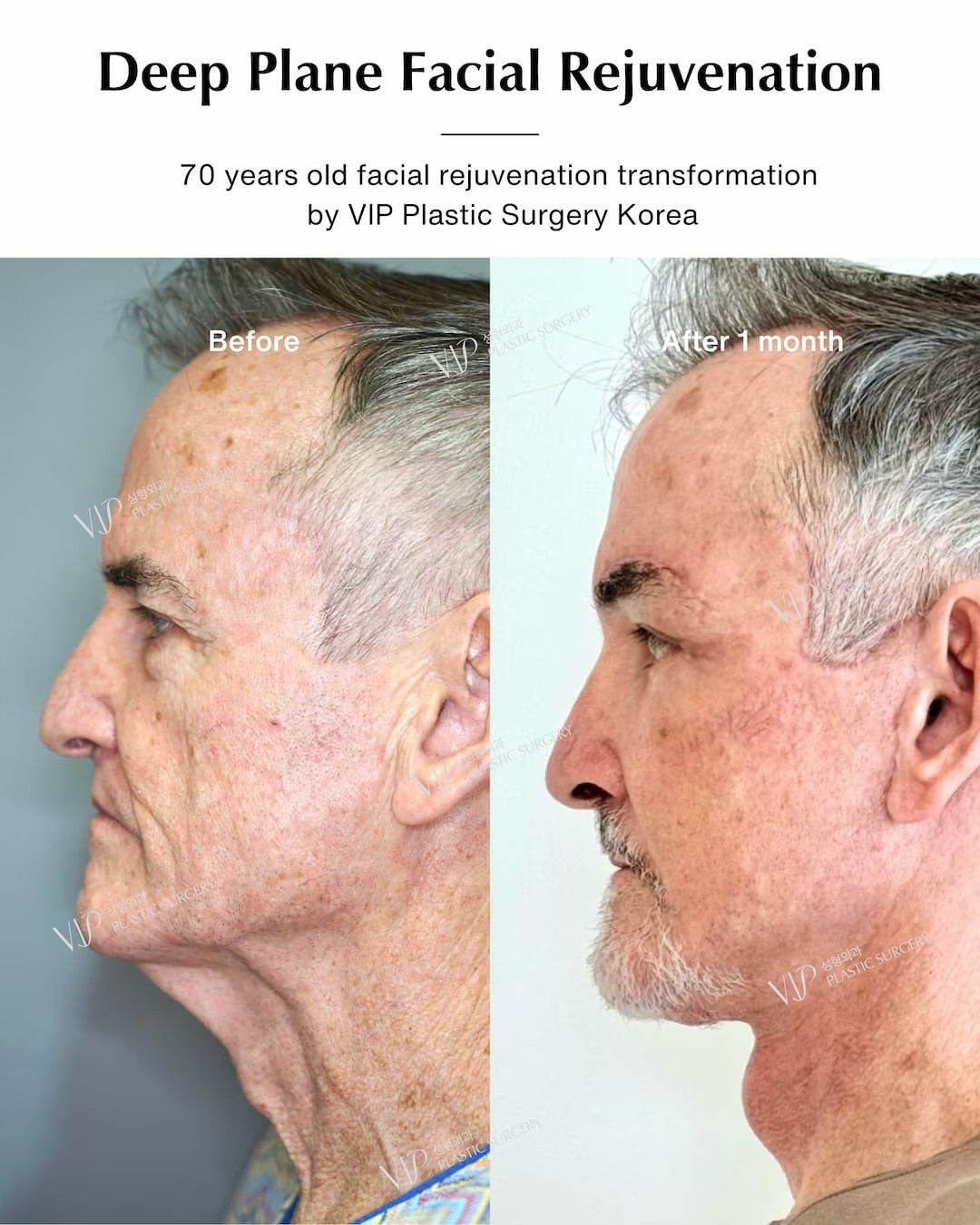
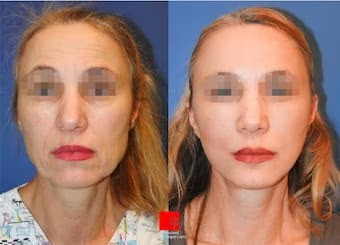
70 years old facial rejuvenation transformation
by VIP Plastic Surgery Korea
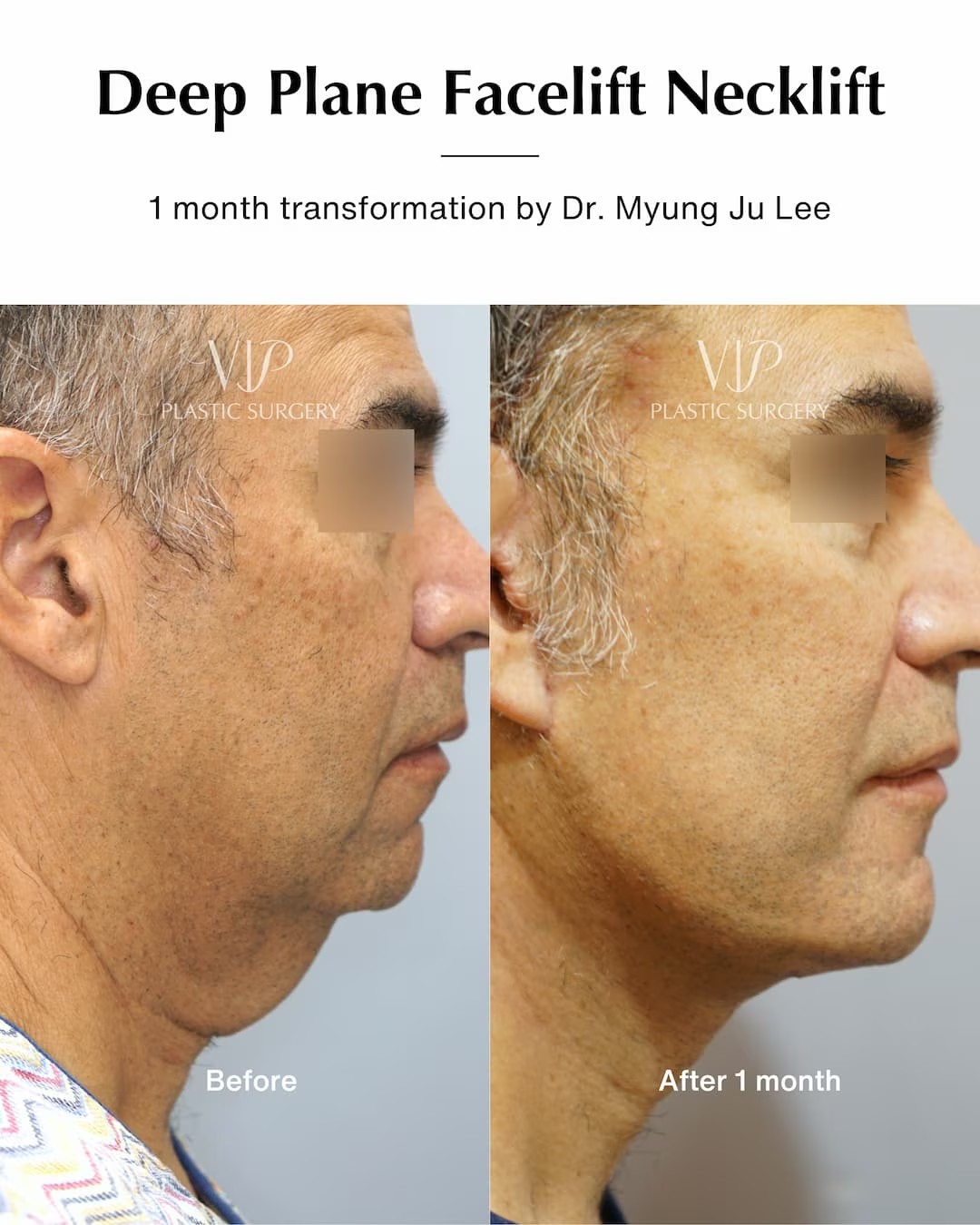
1 month transformation by Dr. Myung Ju Lee
UNDERSTANDING THE UNIQUE ASPECTS OF MALE FACIAL SURGERY
Facelift surgery is no longer exclusively sought by women. Today, an increasing number of men are choosing facial rejuvenation to enhance both their personal confidence and professional presence. Male facelift procedures require a distinctly different approach than those performed on female patients. Key anatomical differences that surgeons must consider include:
- Thicker, more fibrous skin texture requires specialized surgical techniques
- Stronger facial musculature demands precise tissue handling
- Denser blood vessel networks necessitate meticulous surgical planning
- Facial hair patterns that must be preserved and properly aligned
- A broader bone structure requires different lifting vectors
- Larger salivary glands require a special neck definition surgery called Deep Neck Surgery
ACHIEVING NATURAL, MASCULINE RESULTS
The goal of male facelift surgery differs significantly from female procedures. While women often desire softer, more lifted contours, men typically seek:
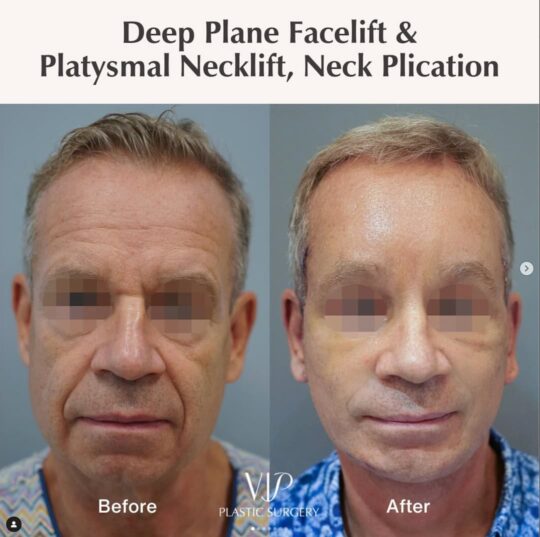
- Preserved masculine features that maintain their strong facial character
- Sharp, defined jawline and neckline that projects authority and vitality
- Natural results that avoid any "operated" appearance
- Subtle rejuvenation that colleagues notice as "looking well-rested" rather than surgical
Operation Information
- Surgery Time: 4-5 hours
- Anesthesia Type: General anesthesia (Total Intravenous Anesthesia (TIVA))
- Hospitalization: None
- Stitch Removal: 4-7 Days
- Recovery Time: 1-2 Weeks
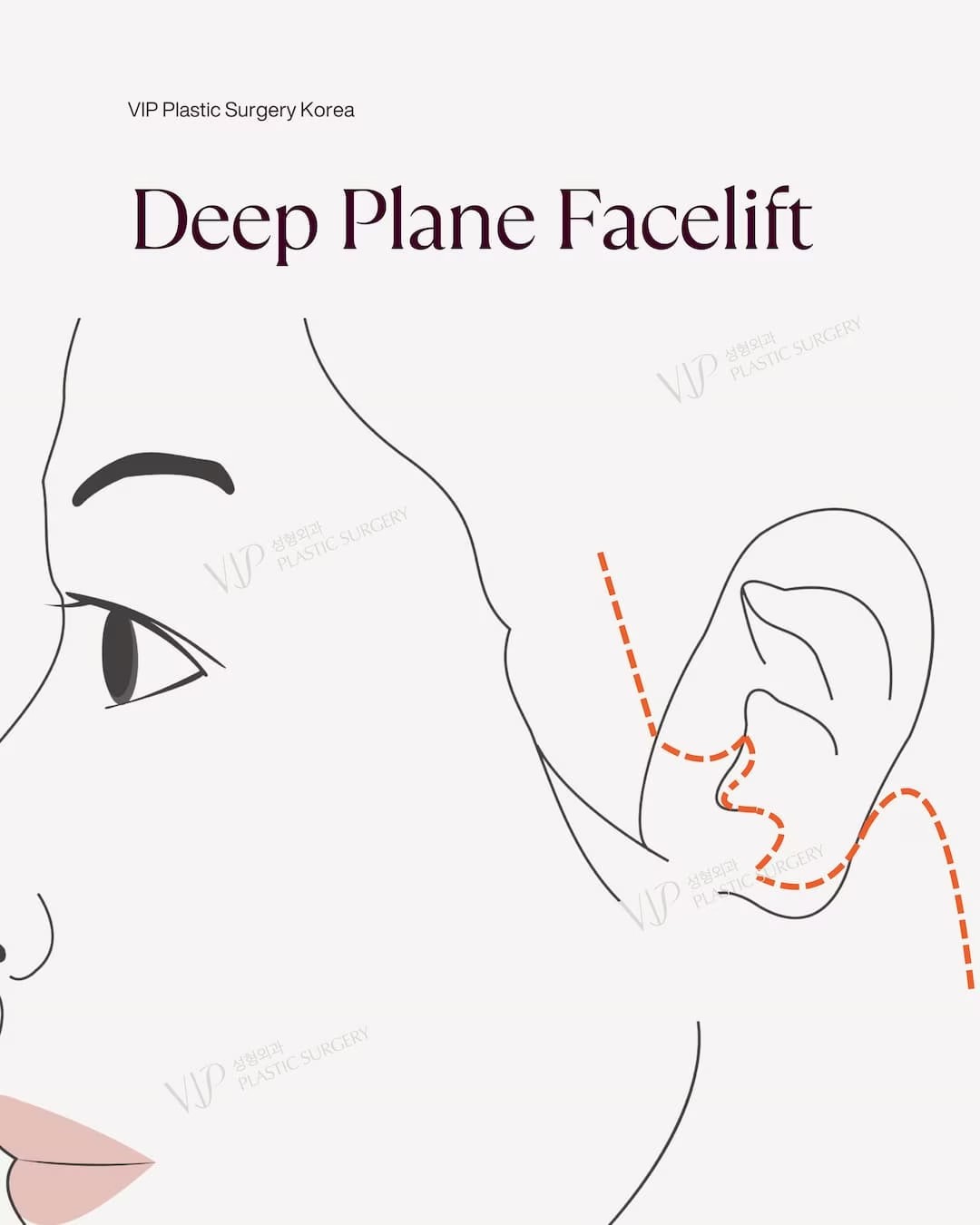
Where is the incision line of an Extended Deep Plane Facelift?
Precision in Every Detail: The VIP Approach to Scarring
At VIP Plastic Surgery, a successful facelift result includes minimal scarring. After a thorough assessment considering the patient's lifestyle and hairstyle, surgeons carefully determine where to begin and end the incision line to minimize visible scarring.
Through specialized surgical techniques, most incision lines become almost invisible within 4 to 6 months post-surgery, allowing patients to enjoy their results with complete confidence.
How long is the recovery of an Extended Deep Plane Facelift?
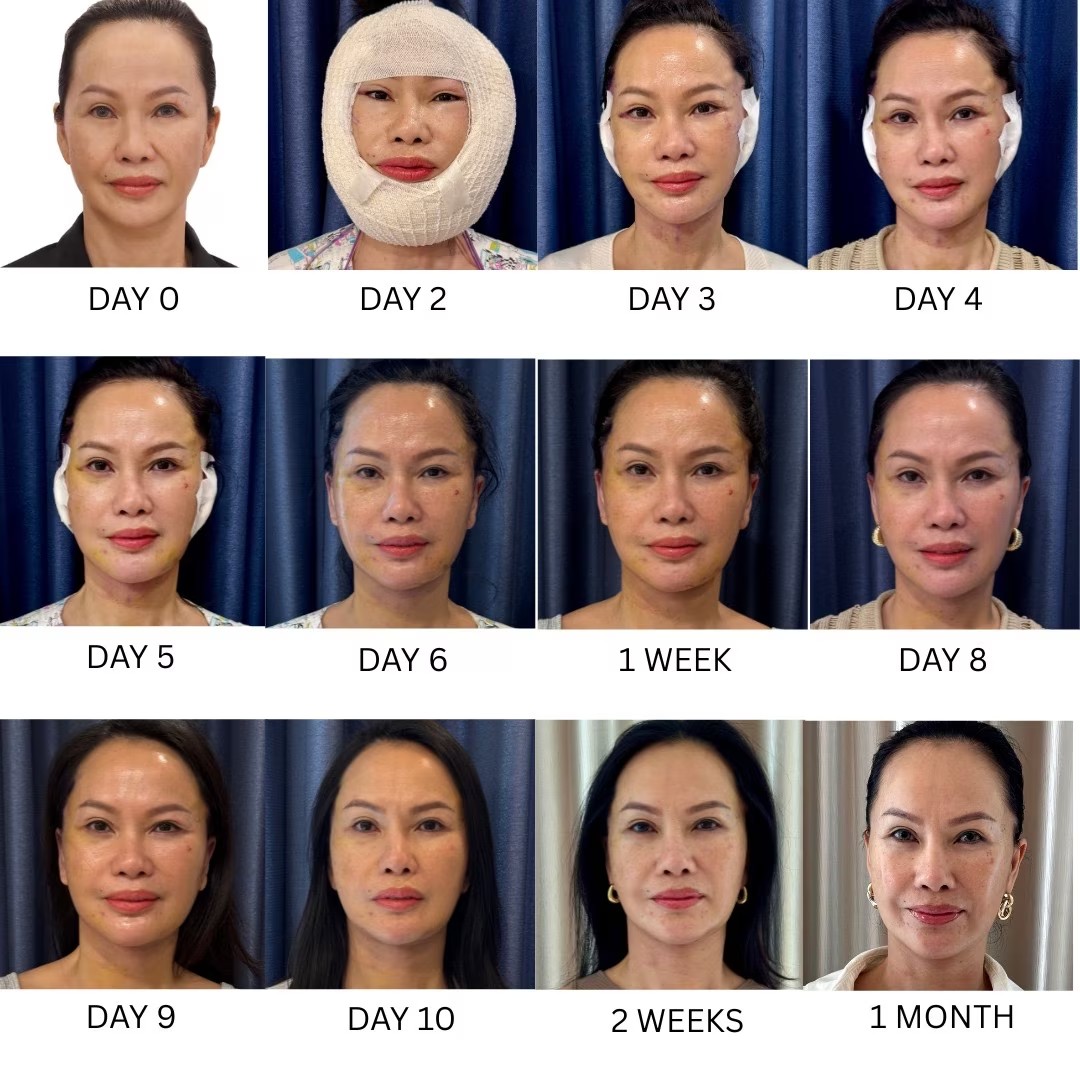
For the first 14 days after the surgery, patients will stay in an all-inclusive VIP medical center for their initial recovery program. This dedicated recovery period allows for optimal healing under Dr. Lee's supervision and the VIP team's services.
- Hyperbaric Oxygen Therapy accelerates cell rejuvenation and reduces swelling
- Certified aestheticians provide daily facial treatments
- Hyperbaric Oxygen Therapy accelerates cell rejuvenation and reduces swelling
- Certified aestheticians provide daily facial treatments
- Advanced Medications are carefully selected to promote rapid healing
- Personalized Monitoring by Dr. Lee ensures optimal progress at every stage
Located on jeju Island—a UNESCO World Heritage site—patients heal in an environment blessed with pristine air and pure water. Within this natural paradise, VIP provides a private room for each patient, allowing patients to rediscover themselves, not just refreshed in appearance but renewed in spirit.
Most patients feel ready to return to work and resume social activities within one to two months, looking refreshed and natural. Individual healing varies, but this timeline allows for a comfortable transition back to daily life while ensuring the best possible surgical outcome.
Extended Deep Plane Facelift Technique Compared to Other Facelift Surgeries
EXTENDED DEEP PLANE FACELIFT SURGERY METHOD
Targeted areas: full face, mid-face, nasolabial folds (laugh lines), cheeks, jawline, neck (additional surgery)
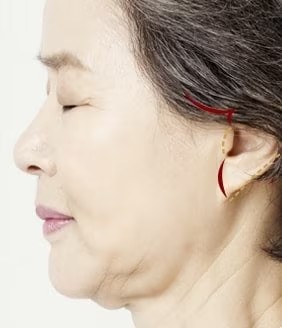
Create a small incision line starting from the hairline to either in front of the ear or behind the ear, depending on the patient's skin and aging condition. The scar lines will disappear as time goes by.
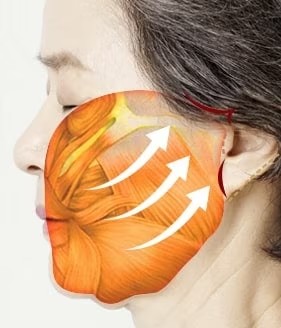
Using the incision line, delaminate the SMAS layer under the subcutaneous tissues, release ligamentous tissues in the anterior part of the face, and create a natural and effective redraping result.
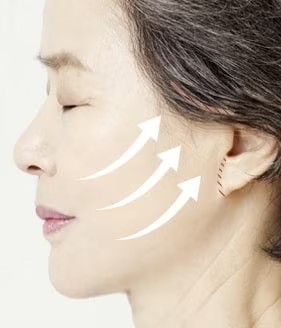
An extended deep plane facelift allows an elevation of soft tissues, a volume addition to the mid-face, and a definition to the jawline compared to High-SMAS facelifts and other traditional facelifts.
TEMPLE LIFT SURGERY METHOD
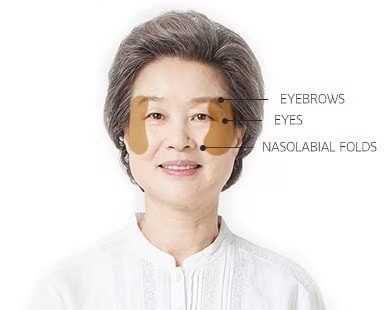
Targeted areas: loosened eyes, eyebrows
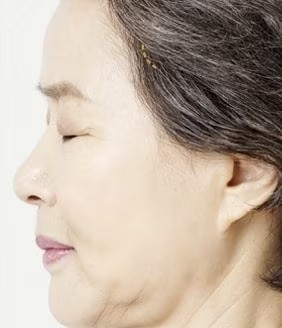
Create a small incision inside the hairline.
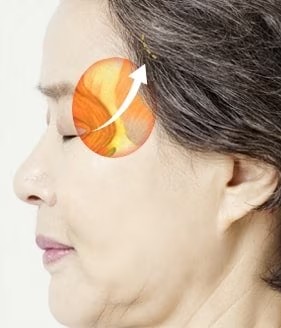
Using the incision line, delaminate the SMAS layer under the subcutaneous tissues and elevate the temple areas.
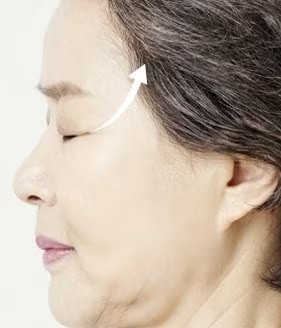
Consider the patient's condition in severity and complexity of the aging process, and excise the excess skin and fat. Fix the suturing line inside the hairline where it is not visible.
MINI FACELIFT SURGERY METHOD
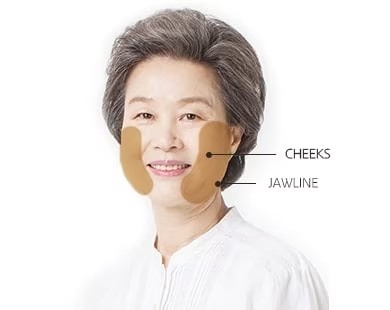
Targeted areas: partial cheek areas, partial mid-face area, and partial jawline
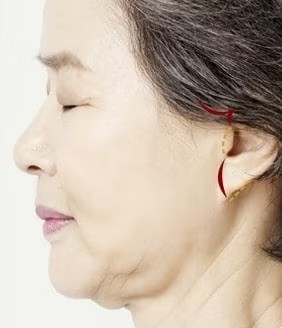
Make a minimum incision starting from the hairline, inner ears, and earlobes, to the back of the ear.
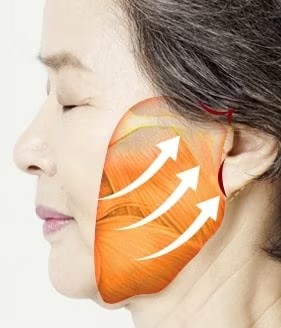
Using the minimum incision line, delaminate the SMAS layer under the subcutaneous tissues and pull the skin layer and SMAS layer together.
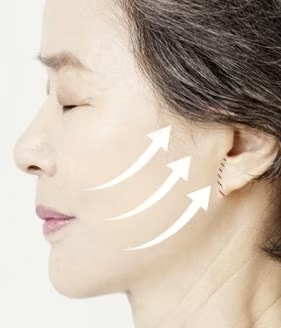
Consider the patient's wrinkle lines and the complexity of the aging process, and excise the excess skin and fat tissues. Tightly fix the skin and suture it together.
Comparison Between the Different Types of Facelift Surgeries
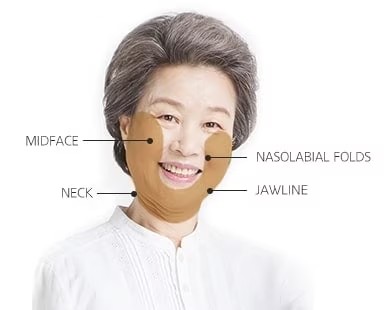
Extended Deep Plane Facelift
An Extended Deep Plane Facelift is highly effective for full-face surgery, specifically the front and middle parts of the face, nasolabial folds (laugh lines), cheeks, jawline, and neck to treat skin laxity, wrinkles, and underlying muscle.
Temple Lift
The Temple Lift focuses on the temple areas - eyes, eyebrows, and nasolabial folds by removing excess fat and skin and lifting.
Mini Facelift
A Mini facelift improves lifting in the areas near the cheeks and jawline, unlike the Extended Deep Plane Facelift, which is a full facelift.
Please note that Mini Facelift and Temple Lift have limitations in results, especially the laugh line area, compared to the Extended Deep Plane Facelift. For patients looking for a full face-lifting effect, we highly recommend the Extended Deep Plane Facelift.
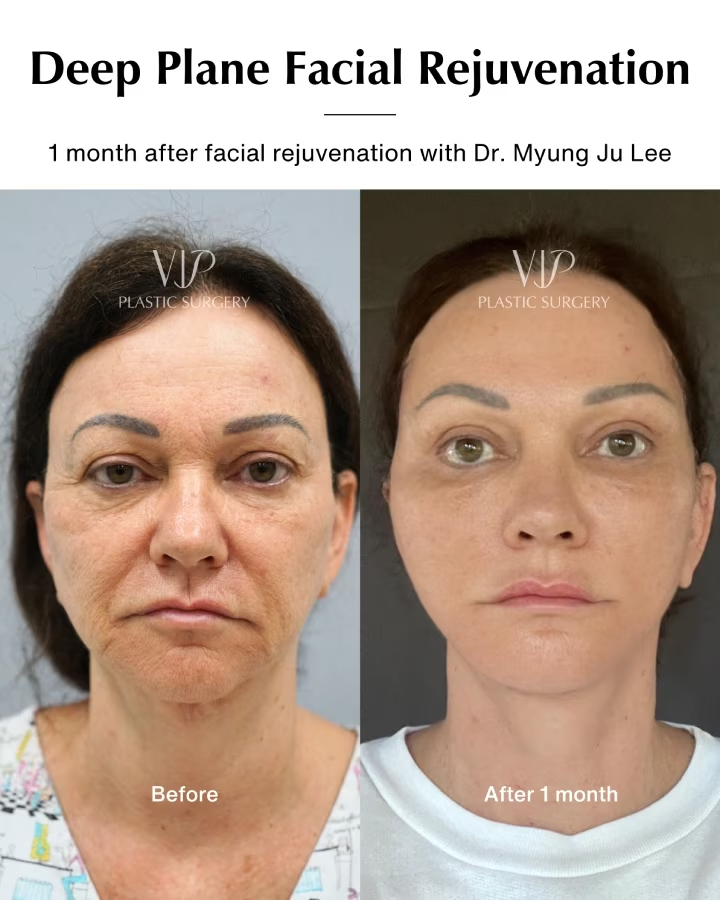
Real Facelift Results